How a Global Online MBA helps an alum monitor HIV epidemic control in Nigeria
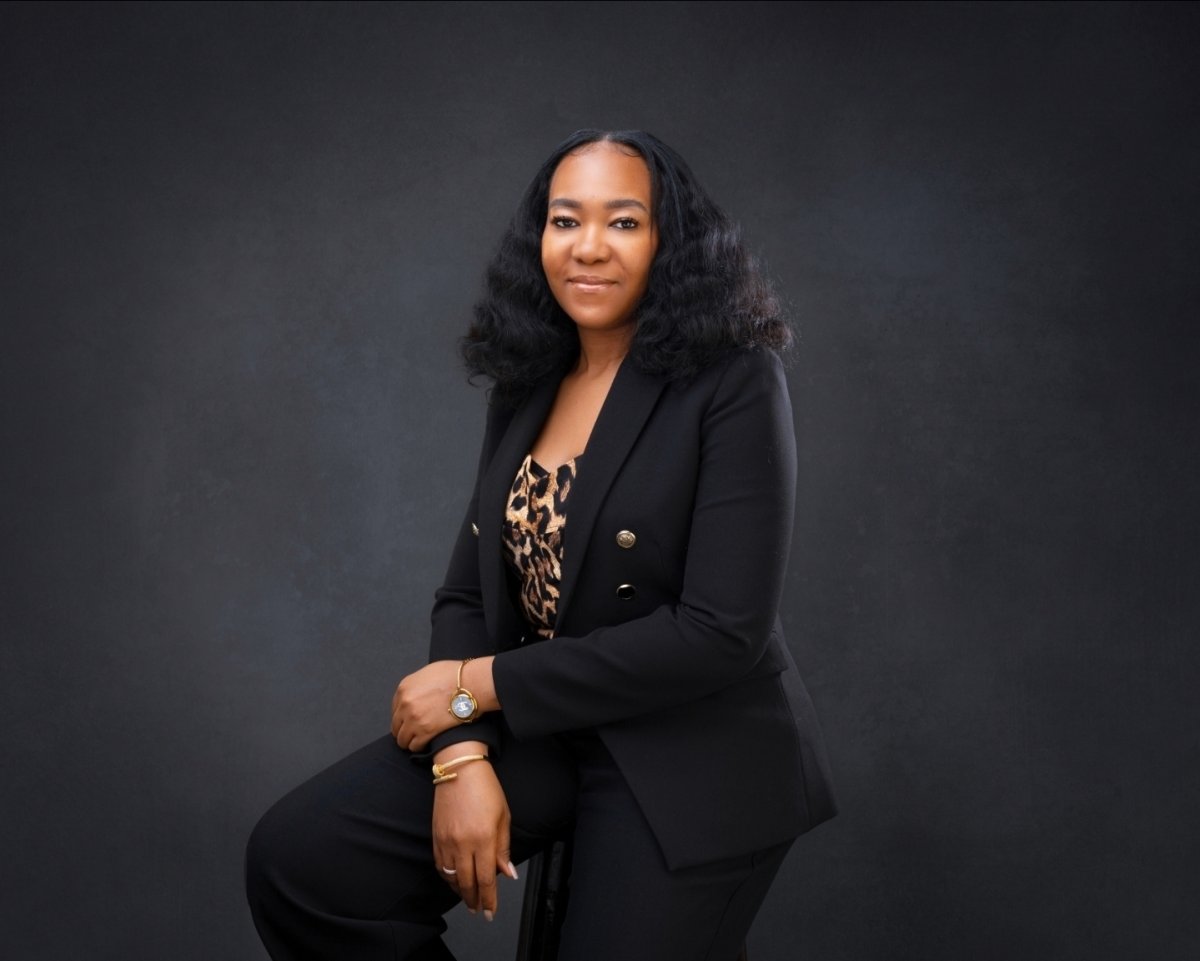
When Global Online MBA alum Chika Ananaba applied to ESMT, she was expecting to learn how to understand business basics. Instead, she found “a whole new way of thinking about leadership, systems, decision-making, and impact” that has helped shape her current role in HIV epidemic prevention.
In this post, Chika shares her insights from the Global Online MBA, including tips on how to connect with an online cohort, and memories from a life-changing Global Experience Week in Mexico. Chika also explains how an MBA can be transformative for anyone working with medical data, and outlines why more health sector professionals could benefit from a postgraduate business education.
Hi Chika, please introduce yourself.
I am Chika Ananaba, a public health professional working in monitoring, evaluation, and learning. I work for Health Systems Consult Limited (HSCL) as the Monitoring, Evaluation and Learning Manager, supporting HIV program implementation across Sokoto, Kebbi, and Zamfara States in Nigeria. I help teams to use routine data to improve performance and make better decisions.
You graduated with your MBA in 2025. Congratulations! Why did you decide that an MBA was the right path for you?
Honestly, I entered the MBA thinking it would help me understand business basics, especially because I have always wanted to build something of my own. But the program far exceeded my expectations. It didn't just teach me business. It opened a whole new way of thinking about leadership, systems, decision-making, and impact.
It stretched me in ways I didn't expect and helped me grow into a more confident version of myself.
What drew you to the Global Online MBA specifically?
“The online structure fitted perfectly into my real life. I could keep learning while working full-time and without the need to pause my career.”
I chose it because I know myself. I needed a format that would keep me consistent even on busy weeks. So, the online structure fitted perfectly into my real life. I could keep learning while working full-time and without the need to pause my career. Also, I wanted a structure that would allow me to study but still stay present at home.
Why did you decide to study at ESMT?
First, ESMT's reputation stood out. Germany is known for quality and rigor and ESMT carries that standard. I also received the Allianz Next Generation Fellowship, which made the decision even clearer. It felt like the right opportunity at the right time.
What was your reason for choosing to study at a school in Germany? What country were you living in while you completed your studies?
“I wanted an experience that would challenge me, not just a certificate.”
I was living in Nigeria while completing the program. I chose Germany because I associate it with discipline, quality and serious learning. I wanted an experience that would challenge me, not just a certificate.
How did you connect with your cohort while studying online? Were you able to create networking opportunities from a distance?
It was easier to connect than I expected. ESMT created ways to meet people, like the Latte Lotto platform, where you are paired with a classmate and encouraged to introduce yourself and check in from time to time, even if it is virtual.
Group assignments also helped a lot. You naturally build relationships when you are working closely with people, and for me, some of those connections went beyond the tasks. We supported each other through the stress of balancing work, school, and life, and we'd even talk through things we were learning in class and how it applied to real situations.
One thing I realized is that the opportunities are there to connect with your cohort, but you still have to be intentional. If you don't make the effort to reach out and stay connected, it is easy to just “finish the program” without really building relationships.
How was it balancing your studies with full-time work?
It was one of the hardest seasons of my life. Some weeks, I would finish work for the day and still have to push through lectures, assignments, and group work late into the night. I felt stretched in every direction, and I won’t pretend it was always smooth.
But with time, I learned discipline and proper time management. I became more intentional about planning my week, prioritizing properly, and protecting study time. It taught me structure, resilience, and consistency.


As someone with a health background, what inspired you to study for a business degree?
“What started as a practical decision became something bigger; it became a tool that has made me better at my work and clearer about the kind of leader I want to become.”
This is a great question, because on the surface, it looks like a strange combination.
When I started the MBA, I’ll be honest, my first motivation was practical. I needed to understand business properly, beyond just ideas.
But as the program went on, I realized it wasn’t just about entrepreneurship. It helped me make sense of some of the challenges I had already seen in my work, things like leadership, coordination, decision-making, and how to get teams and systems to perform consistently.
In traditional public health training, we focus a lot on the technical side: guidelines, targets, data, and clinical standards. Those things matter, and they are the foundation. But in real program settings, performance is also shaped by management realities, how priorities are set, how people are led, how resources are allocated, and how decisions are made under pressure.
The MBA helped me see that side more clearly. It gave me a better way to think about why programs succeed in some places and struggle in others, even when the technical guidance is the same. It also made me more confident in how I contribute at work, because I can now connect data and results to strategy and practical action.
And honestly, it’s made me feel that more health professionals would benefit from this kind of training, because health and business are not as separate as we sometimes think.
So, what started as a practical decision became something bigger; it became a tool that has made me better at my work and clearer about the kind of leader I want to become.
How are you applying what you learned in the MBA to your leadership role in HIV/AIDS epidemic prevention?
I’m applying it in very practical ways.
One big change is how I make decisions and recommendations. I’m more aware of bias – including my own – so I take more time to look at evidence properly, weigh trade-offs, and think through consequences before I advise leadership.
Another major area is data. Data-driven Decisions introduced me to the programming language R, and that completely changed how I work. Before, I relied mostly on Excel. Now I am more confident working with larger datasets and doing deeper analysis to improve data quality and guide program decisions.
In HIV epidemic control, that matters because it helps us move from just reporting numbers to asking better questions, like where performance is most at risk, what is driving gaps in retention or viral suppression, and where targeted action will have the biggest impact.
I have also become more intentional about sustainability, and not just environmental sustainability. I mean, what keeps programs running when resources are limited? With the funding pressures we have seen recently, it’s pushed me to think more seriously about efficiency, smarter targeting, and long-term program strength.
Another practical example: I have applied strategic frameworks I learned during my MBA to think how development organizations more broadly can rethink monitoring, learning and evaluation as strategic asset that creates value beyond traditional support functions.
You took part in the Global Experience Week in Mexico – what was it like being with your cohort in person and what did you take away from that experience?
Mexico was one of the best parts of the MBA for me. Meeting everyone in person for the first time made everything feel real. After over a year of Zoom, it was special to finally sit in the same room with some of my cohort.
What surprised me the most was what I took home from that week. I remember the visit to PetStar and the session on sustainability like it was yesterday. I was so engaged listening to what they do. That was also where the idea of the circular economy really clicked for me. Not just as “greening” or something only big organizations talk about, but as a mindset: how we reduce waste and make better use of what we already have.
When I got back, I started paying attention to my own habits. I began tracking the waste in my house and asking myself simple questions like: What am I throwing away? What can I reuse? What can I turn into something useful instead of just dumping it?
That’s what pushed me into composting, and eventually into starting an organic garden using raised beds. Now I grow vegetables and herbs, and I even catalogue what I plant, what grows well, and what does not, my bed designs, the weather, and the timing.
It sounds small, but it genuinely changed my mindset. It also taught me patience and the value of paying attention to details in a completely different way. I didn’t expect an MBA to influence my daily life like that.
So, Mexico wasn’t just a nice trip. It gave me something practical that I still practice every day.
What other parts of your MBA did you find the most valuable?
A few blocks really stayed with me, not just because they were interesting, but because I could immediately see myself using them in real life.
Frameworks for Problem Solving helped me stop reacting emotionally to challenges and start breaking them down properly. Even at work, I now catch myself asking: What exactly is the problem here? What is driving it? And what is the smartest next step?
Accounting and Financial Management also changed my mindset. It made me more intentional about money, planning ahead, and thinking long-term, not just for work, but for my personal life too. I had never invested before, but now I actively manage multiple investment streams, and I am much more disciplined about financial stability.
Overall, the MBA gave me the confidence to stretch myself. It is what pushed me to pursue a professional certification in project management in 2025, something I honestly don’t think I would have attempted before. And even now, it’s part of what’s giving me the confidence to want to explore a PhD in Management, especially because I am really interested in how leadership and management choices influence what data gets collected, how it is interpreted, and how quickly it turns into action, especially in high-stakes public health programs.
Do you have any tips for someone thinking about applying to study at ESMT?
Yes. If you’re considering ESMT, I would say: be ready to work but also be ready to grow. The quality of teaching is strong, and the support system is real, from the program managers to faculty members. But the biggest benefit comes when you fully engage, anticipate, connect, ask questions, and allow yourself to be stretched. You’ll come out stronger than you expected.
Thank you, Chika!
Chika Ananaba is the Monitoring, Evaluation and Learning Manager at Health Systems Consult Limited (HSCL). If you are interested in the intersection between HIV healthcare, analytics, and organizational decision making, you can follow Chika on LinkedIn for more fascinating insights into human-focused, data-driven HIV epidemic control.


Want to hear more ESMT Berlin insights?
