ESMT Berlin Sustainable Business Roundtable marks 15 years with focus on resource resilience
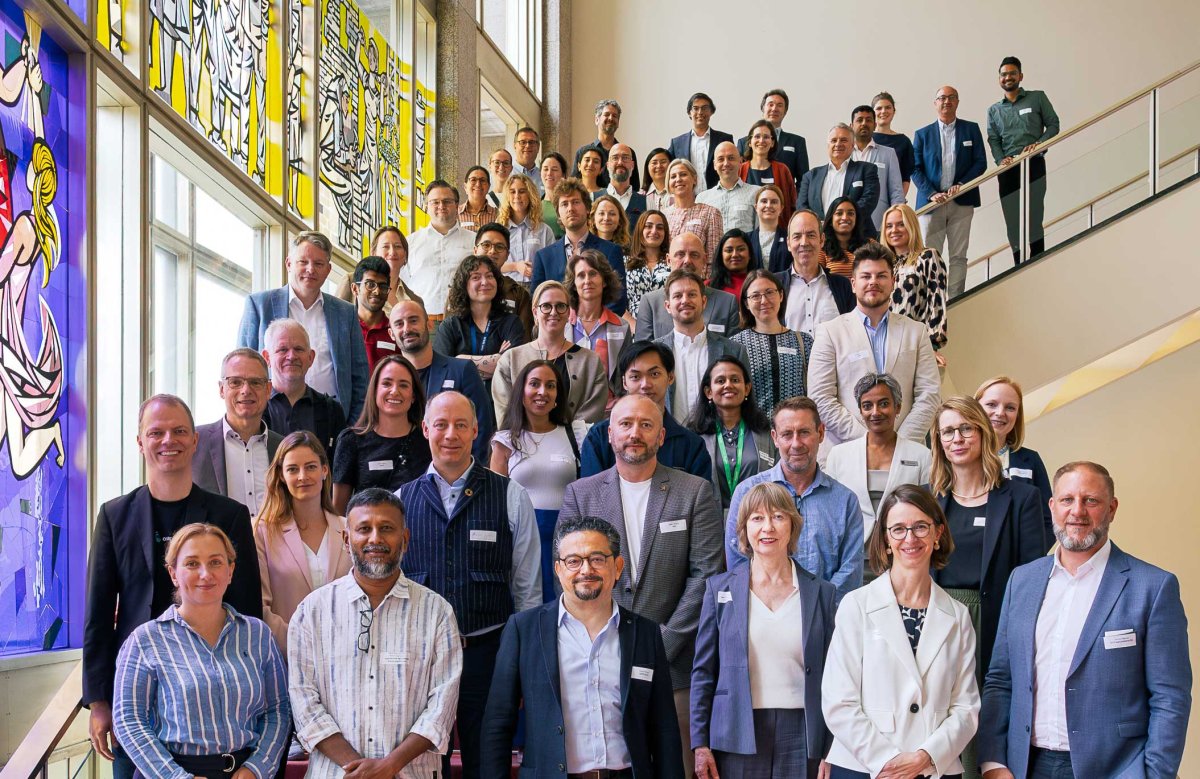
Since its founding, the SBRT has met consistently twice a year, bringing together representatives from leading companies across industries to exchange experiences and develop practical solutions to shared sustainability challenges. The 28-member network includes Accenture, BNP Paribas, Bosch, Brunswick Group, Deutsche Bank, Deutsche Telekom, DHL Group, Dr. Oetker, Endava, H&M, ING, Marcatus QED, Mast-Jägermeister, McDonald's, Mercedes-Benz, Merck, Mitsui, Nespresso, osapiens, P&G, PricewaterhouseCoopers, Quadriga Capital, RWE, Schwarz Group, SE Advisory Services, Siemens, Tech Mahindra, Volkswagen. It operates as a confidential peer-learning forum, enabling candid discussion of both successes and failures. Across 30 meetings, the roundtable has generated practical insights into how companies can embed sustainability as a core business priority rather than a peripheral concern.
Among the key learnings from 15 years of the SBRT are:
The shift is from compliance to impact. The sustainability conversation has evolved from voluntary commitments to reporting and regulation. Paradoxically, the growing critical debate around ESG frameworks has accelerated this shift and forced companies to move from metrics to measurable operational outcomes. Leading companies are no longer asking whether they comply, but whether their sustainability efforts are creating real environmental and social impact while strengthening long-term competitiveness.
Sustainability and digital transformation must advance together, but the risks are underestimated. AI and digital technologies offer powerful tools for resource efficiency, transparency, forecasting, and innovation. Yet the resource costs of AI itself are rarely part of the conversation. Electricity consumption from AI-specific data centers could quadruple to 433 TWh by 2030 (according to the Öko-Institut for Greenpeace Germany), while water consumption linked to this infrastructure could rise from 60 to 338 billion liters over the same period. Companies that treat AI as an isolated efficiency tool, without accounting for its environmental footprint, risk creating new sustainability contradictions while solving old ones.
Resilience is built through ecosystems, not isolation. Whether addressing supply chain disruptions, resource constraints, or geopolitical uncertainty, the most resilient organizations are those that shift from control to connectivity: sharing performance data, aligning incentives, and developing joint
solutions with suppliers, customers, and peers. Long-term, trust-based partnerships have repeatedly outperformed compliance-driven approaches. As Joanna Radeke, director of the ESMT Institute for Sustainable Transformation and director of sustainability at ESMT Berlin, has argued based on SBRT experience: “Sustainability is not an add-on to resilience. It is its operating system.”
The 31st edition focuses on resource resilience, with speakers addressing water, critical raw materials, circular systems, digital product passports, agricultural supply chains, and the role of sustainability data in shaping business strategy.
“Access to resources tends to come into focus during times of scarcity, and attention shifts away again directly after allocation has been managed,” says Thomas Schulte, senior vice president and head of sustainability and EHS at Bosch. “Sustainability can contribute solutions and stimulate smarter approaches.”
The geopolitical dimension of resource access will be addressed by Jan Ceyssens, deputy head of cabinet of EU Commissioner Jessika Roswall, responsible for environment, water resilience, and the circular economy. “As fossil feedstock supplies are increasingly jeopardized by geopolitical disruptions, the case for circular and biobased materials becomes more and more compelling,” says Ceyssens. “Europe must use the potential of its single market with more than 450 million consumers to scale up and strengthen the business case for our circular economy.”
About ESMT Berlin
Quick links

