Becoming a more effective leader: inside ESMT’s Executive Transition Program
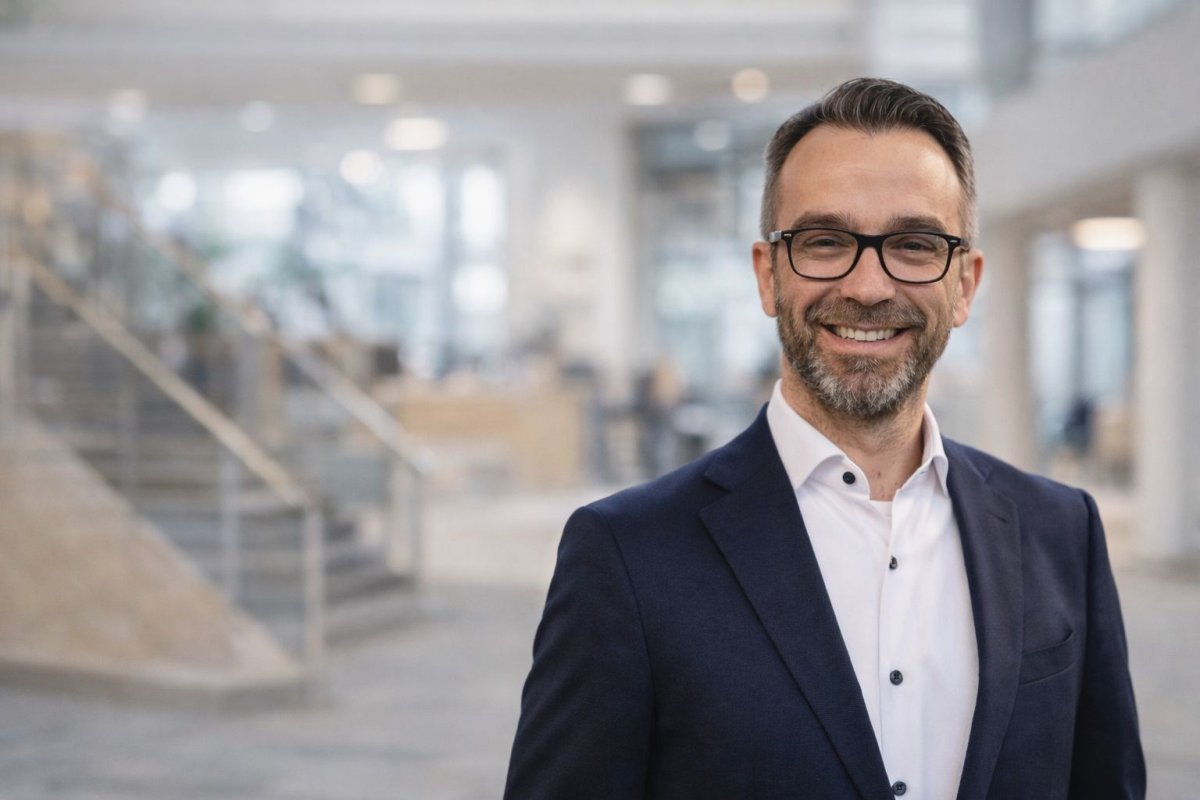
The Executive Transition Program (ETP) is the flagship offering from ESMT’s Executive Education suite of programs for individuals. It readies senior-level managers and functional executives to move into general management roles. Participants gain knowledge, their Postgraduate Diploma in Advanced Management – and access to a network of executive peers.
In this exclusive interview, we get an insider’s look at some of the program highlights from Executive Transition Program participant Daniel Fröhlich, CFO DACH, Jacobs Douwe Egberts Professional.
Hi Daniel, please introduce yourself
I’m a senior finance leader with more than 20 years of international experience across FMCG, industrial, and service businesses. Over the years, my role has evolved from classic controlling and financial stewardship into a much broader mandate: shaping strategy, driving transformation, and acting as a sparring partner to CEOs and leadership teams.
Today, I see finance as an enabler of value creation, not just a function that reports the past.
Could you please tell us a little about what your job is like?
My job sits at the intersection of strategy, performance, and people. Of course, finance fundamentals like P&L ownership, cash flow, and governance remain critical. But a large part of my role today is about translating strategy into execution, supporting digital transformation initiatives, and supporting our leadership team to make better decisions under uncertainty.
I spend much less time “explaining numbers” and much more time asking the right questions.
What are some of the biggest challenges you face as a leader?
“ As a CFO, the challenge is to remain a trusted anchor while simultaneously pushing change. ”
One of the biggest challenges is navigating complexity: markets move faster, data is abundant, and expectations towards leaders are higher than ever.
As a CFO, the challenge is to remain a trusted anchor while simultaneously pushing change – especially when it comes to digitalization, new ways of working, and mindset shifts across the organization. In recent years our challenge has been to retain our profitability while raw material costs are increasing continuously.
Why did you choose to explore executive education with ESMT?
I deliberately chose executive education at this stage of my career because transition moments are where learning has the highest return. I wasn’t looking for technical knowledge – I was looking for reflection, challenge, and perspective.
ESMT offered exactly that: a space to step back, pressure-test my leadership approach, and sharpen my role for the next phase of my career.
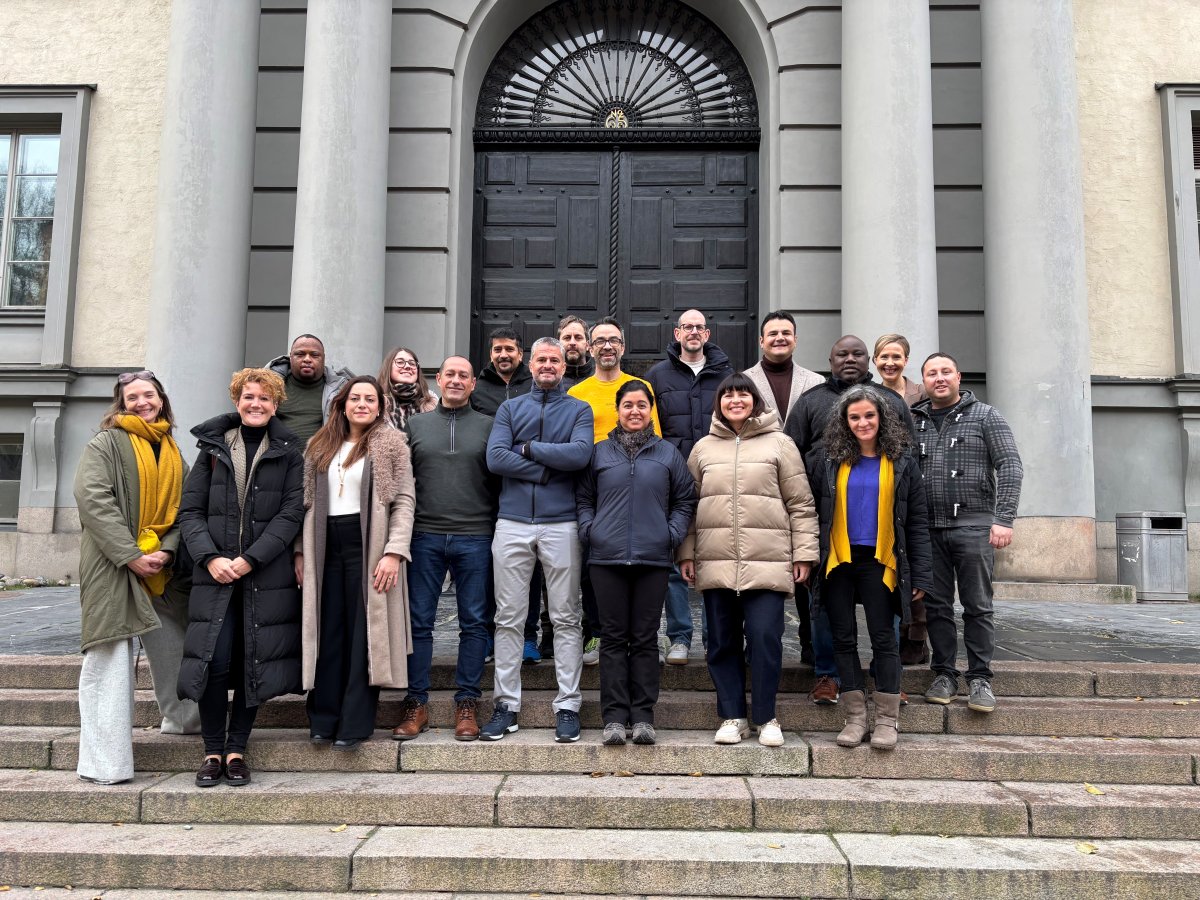
What drew you to the ESMT Berlin Executive Transition Program in particular, especially versus other options you considered?
The Executive Transition Program stood out because it focused on who you are as a leader, not just what you know.
The combination of academic rigor, peer consulting, and deep self-reflection is unique. Compared to other programs, ETP felt highly relevant, practical, and immediately applicable to real leadership situations.
What does a typical day in the program look like?
A typical day blends structured input with intense dialogue. You move from conceptual frameworks to real peer cases very quickly.
What makes it powerful is the diversity of perspectives in the room – you constantly learn by seeing your own challenges through the lens of others.
There are a lot of possibilities to get to know each other better and have a true feeling of trust between all participants.
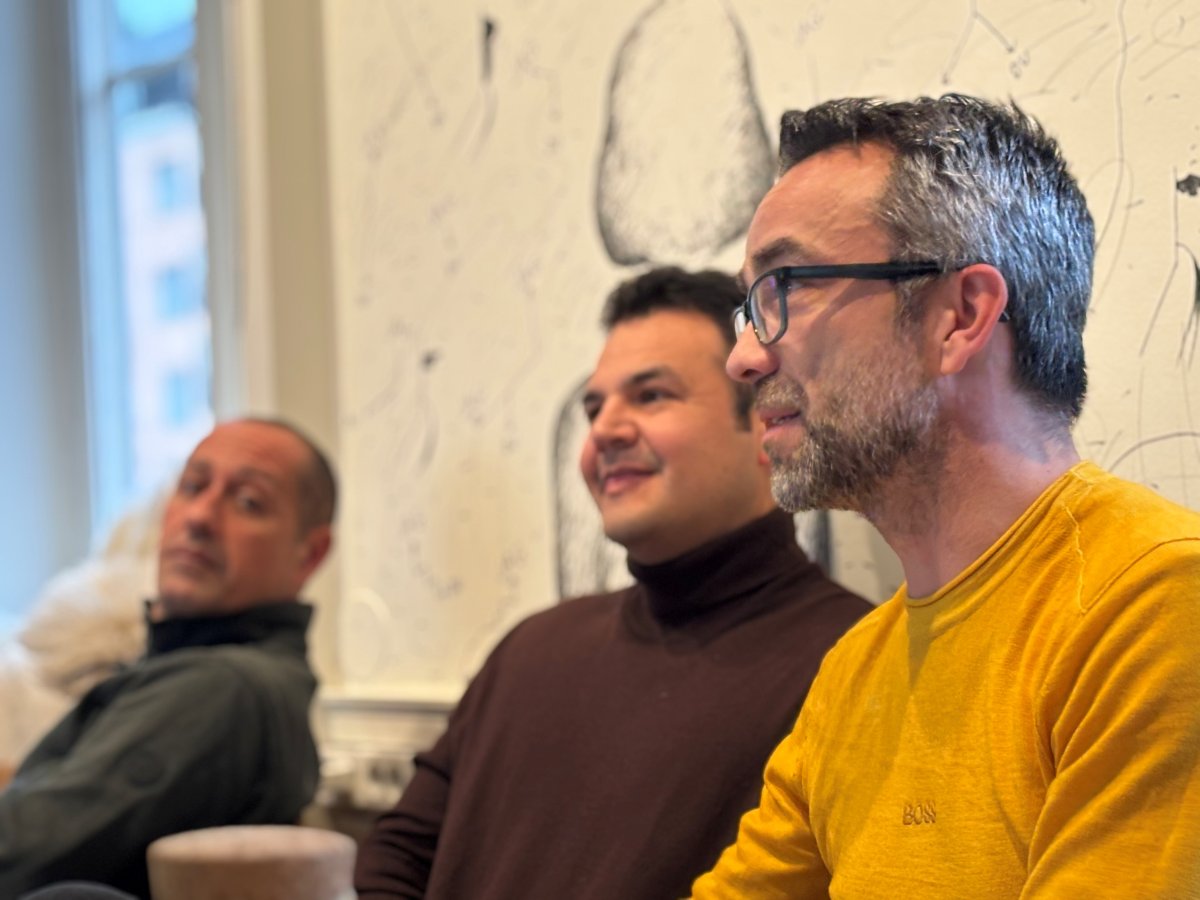
This is a significant investment in time and budget. What made it worth it for you?
The value lies in clarity. ETP helped me gain a sharper understanding of my role, my impact, and my leadership blind spots.
That clarity directly influences how I show up in my organization – and that makes the investment worthwhile many times over.
ESMT was selecting different participants in order to guarantee different point of views and there is the hidden added value for me – not talking only with finance people but also people from other countries, different industry backgrounds, different academic base…
What are some of the biggest lessons from the Executive Transition Program that you will apply to your career?
One key lesson is that leadership impact is less about having the right answers and more about creating the right conversations.
I’ve also become much more conscious about how I use my role as CFO to enable strategy, digitalization, and cross-functional alignment – rather than staying confined to financial mechanics.
Can you share one specific situation where you handled something differently because of ETP?
“ After ETP, I approached the conversation differently: I framed finance as a partner to experimentation, clarified decision boundaries, and helped the team move forward without over-engineering certainty. ”
Yes. In a strategic discussion about a digital transformation initiative, my instinct would previously have been to focus strongly on financial risks and ROI mechanics.
After ETP, I approached the conversation differently: I framed finance as a partner to experimentation, clarified decision boundaries, and helped the team move forward without over-engineering certainty. The outcome was a faster decision and stronger ownership across functions. We are in phase of implementation and I already see that all are enthusiastic about it.
Beyond the content, what parts of the program did you find the most valuable?
Peer consulting was extremely valuable. Working on real leadership challenges with highly experienced peers creates insights you simply don’t get in your day-to-day environment.
It also builds a level of trust and openness that makes learning much deeper.
The program is not only the presence part but also regular check-ins with the different group members – this creates trust and real exchange between all of us.
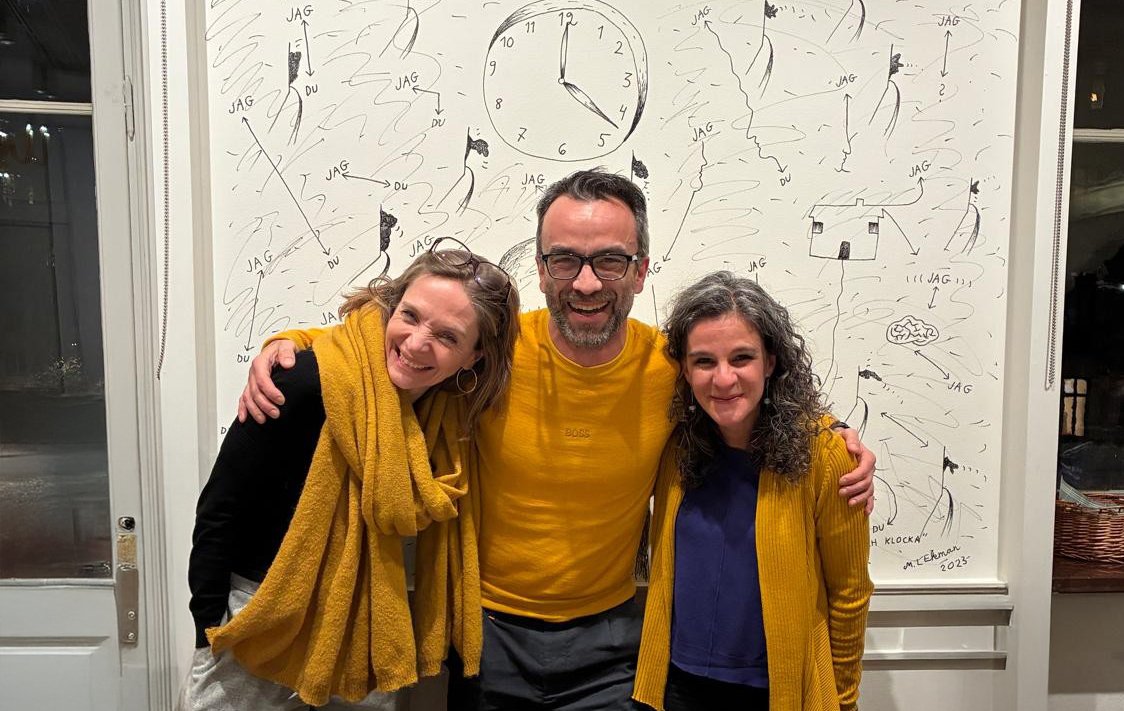
Do you have any favorite memories of the program so far that you could share with us?
The ice bathing…I wanted to skip it. But then I accepted the challenge…and to my surprise it was even fun. But I am not going to do it regularly! But with this group it felt good trying it and enjoying moments out of comfort zone.
Do you have any tips for someone thinking about participating in an Executive Education program at ESMT?
“ Executive education is not about collecting certificates – it’s about becoming a more intentional and effective leader. And, furthermore, meeting incredible people! ”
Be clear about why you are doing it. If you’re willing to reflect honestly, challenge yourself and learn from others, ESMT offers an exceptional environment.
Executive education is not about collecting certificates – it’s about becoming a more intentional and effective leader. And, furthermore, meeting incredible people!
Thank you, Daniel!
Daniel Fröhlich is the CFO DACH at Jacobs Douwe Egberts Professional & Managing Director JDE Services DE GmbH. You can follow him on LinkedIn for more inspiring content about leadership, finance, and executive education.
Ready to be a stronger leader?
