ESMT Berlin study: What makes a first offer successful in negotiations
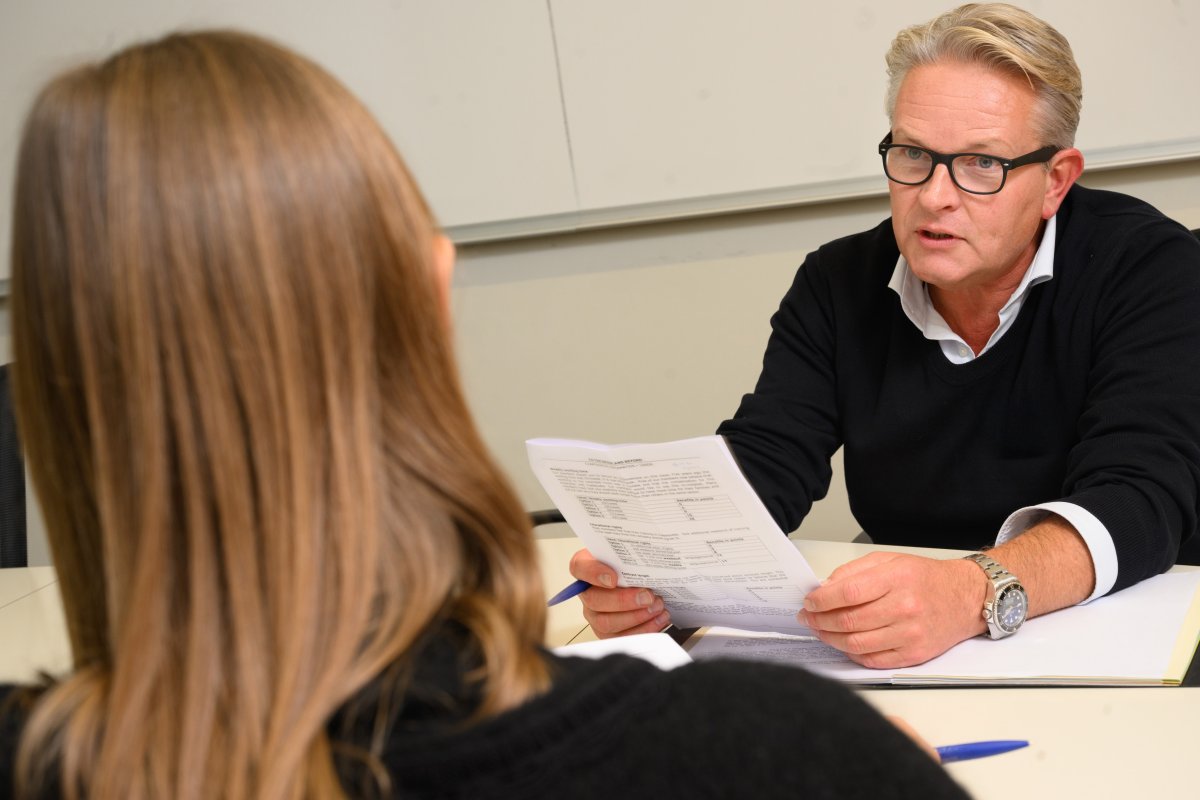
The study “The Power and Peril of First Offers in Negotiations” was conducted by Martin Schweinsberg, associate professor of organizational behavior at ESMT Berlin, as part of an international research team led by Hannes M. Petrowsky (Leuphana University). The article was published in Organizational Behavior and Human Decision Processes, a leading journal in the field of management and decision making that accepts articles only after an independent peer review process.
The data covers all types of negotiations, whether salary discussions, real estate purchases, procurement contracts, or private sales, and demonstrates how strongly a first offer shapes the frame of a negotiation. The first number mentioned often serves as a subconscious reference point for many participants. In 81 percent of the negotiations examined, higher first offers led to better final outcomes for the person who initiated the exchange. This approach, however, has its limits.
Very high or unrealistic demands increase the risk that negotiations break down or that the counterpart feels treated unfairly. This is particularly delicate in situations where work continues after the agreement, such as services or employment relationships. If someone feels that they have clearly lost, they may later reduce their speed, quality, or effort, consciously or unconsciously, to rectify a perceived imbalance. A short-term advantage gained at the negotiation table can become costly over time.
The study also shows that the effects of first offers weaken as negotiations become more complex. When many issues are on the table at once, a single number loses influence more quickly. In such situations, the relationship between the parties and the creative search for win-win solutions become more important. An overly aggressive first offer can undermine trust and make future collaboration more difficult. Negotiators should therefore consider how important a positive relationship with their counterpart is and what role it will play in the future.
“Many people rely heavily on their instincts when negotiating,” says Martin Schweinsberg. “Yet much of the success is determined before the conversation begins. Those who set clear goals, define a realistic range, and plan deliberately which number they will mention first minimize the influence of chance.”
The results provide clear guidance for anyone negotiating professionally or privately. A well-crafted first offer combines a well-researched starting point with clear goals and an awareness of the relationship with the other side. This increases the likelihood of outcomes from which both parties benefit over the long term.
About ESMT Berlin
Quick links
